


























Please click here for ticket info

FREE TO PLAY is available now:
Watch on Steam Watch on Youtube Watch on Itunes Watch on Amazon Watch on VHX
Free to Play will be available for free on Steam March 19th, 2014!
The Free to Play Pack will also be available for purchase on Steam and the Dota 2 Store, and 25% of the sales will be distributed to the players featured in the film as well as the contributors. The Free to Play Pack will include the following:

Items will be available on March 19th, 2014 at the Dota 2 Store and Steam

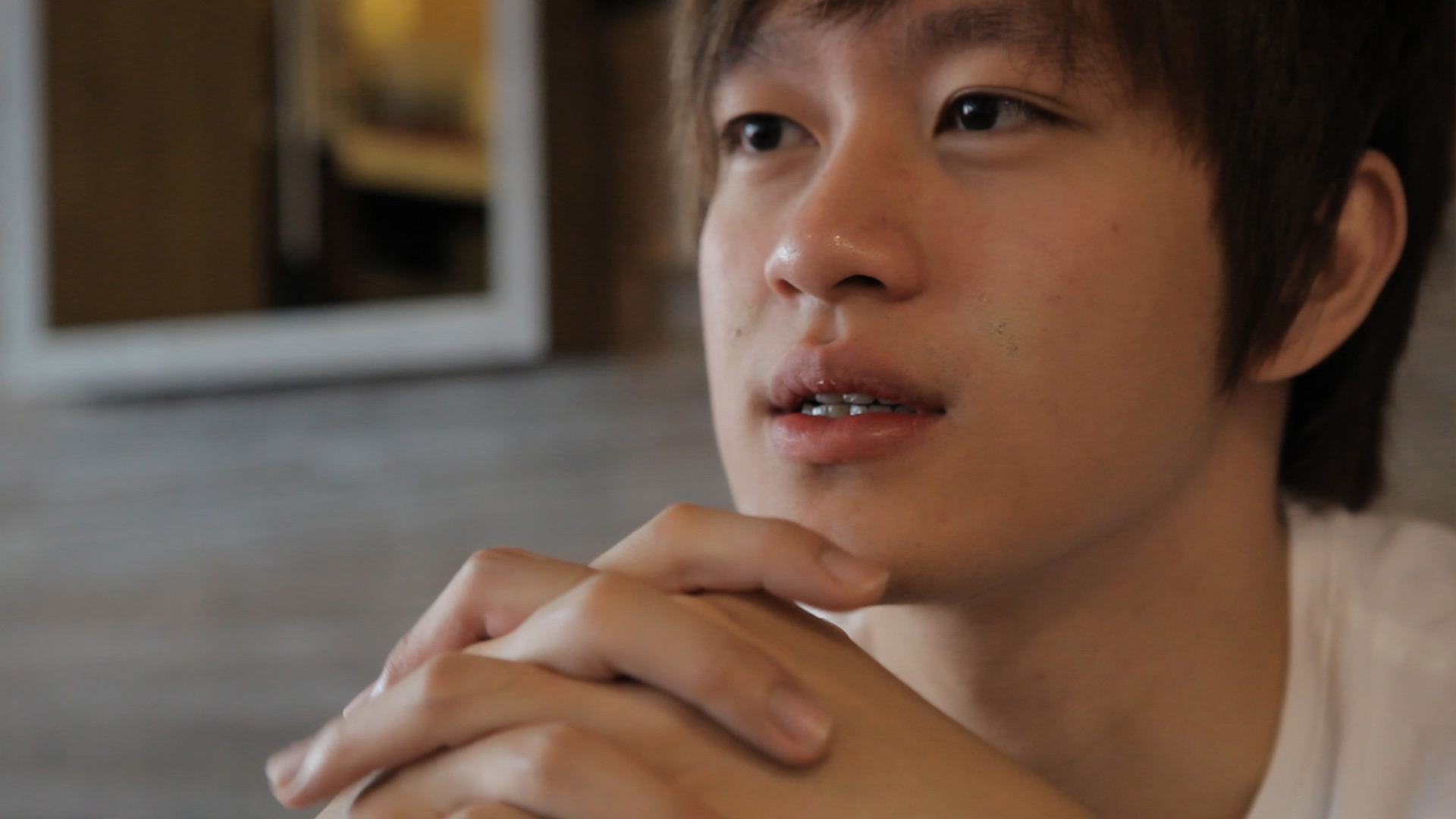
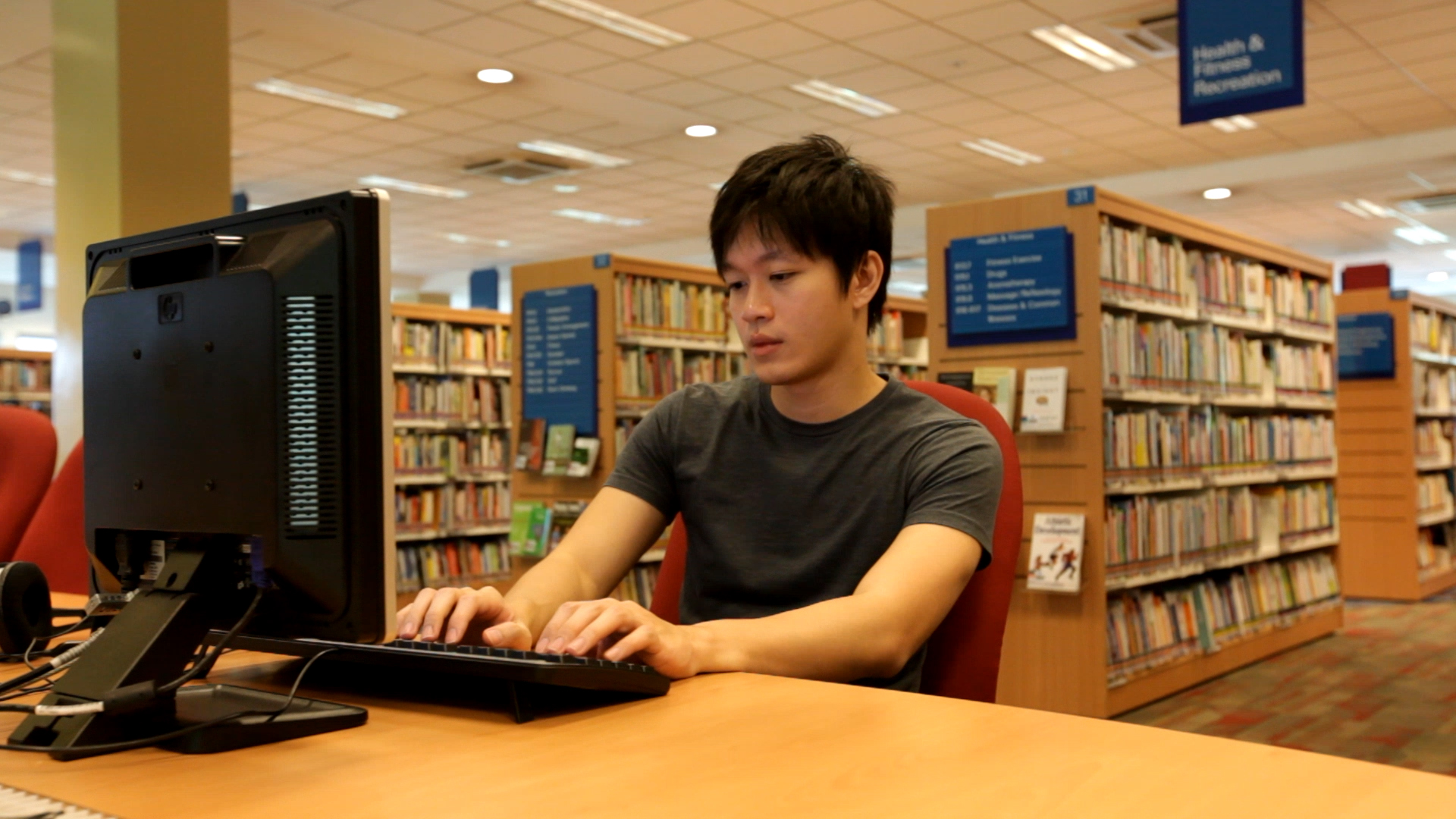
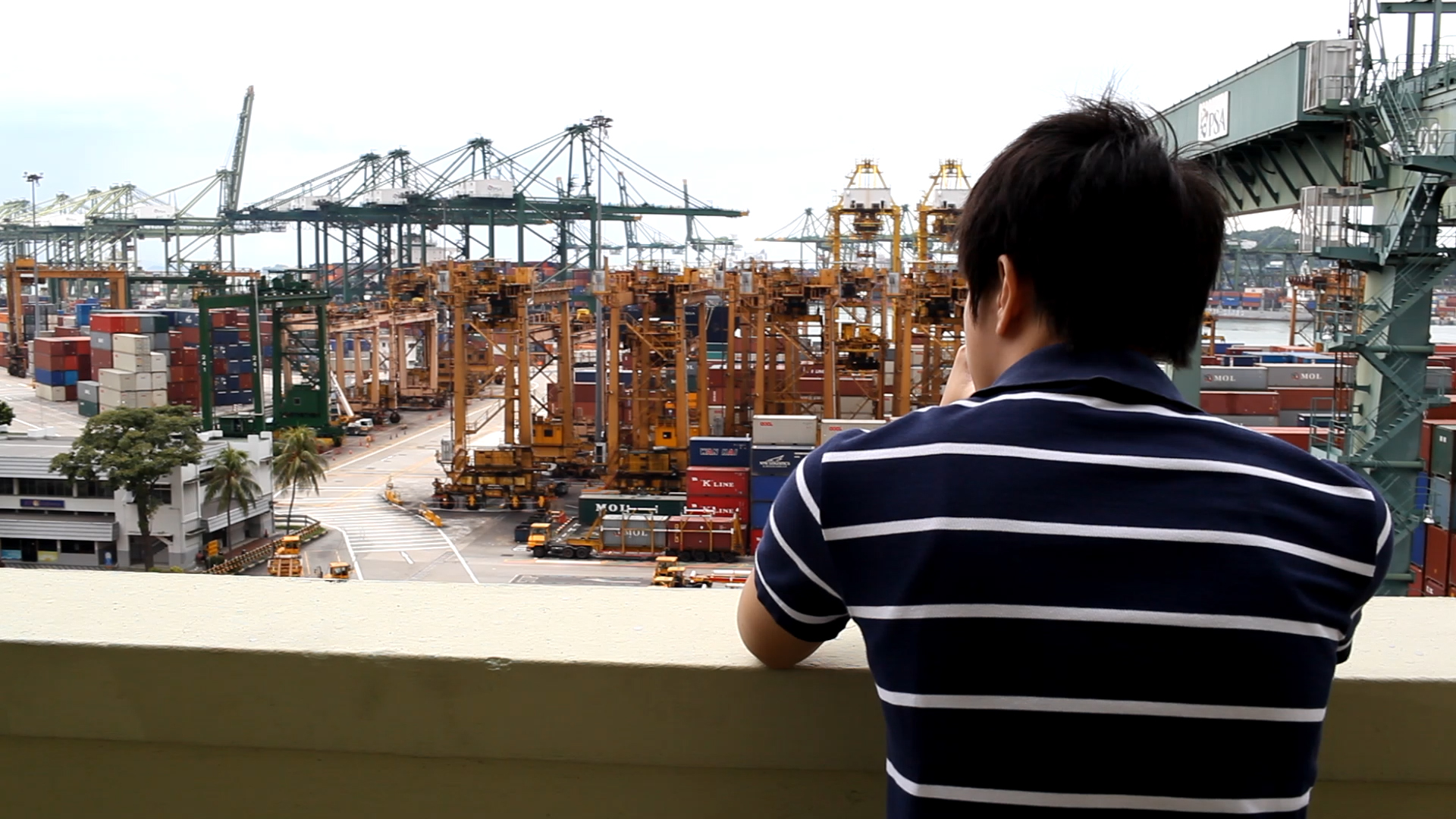
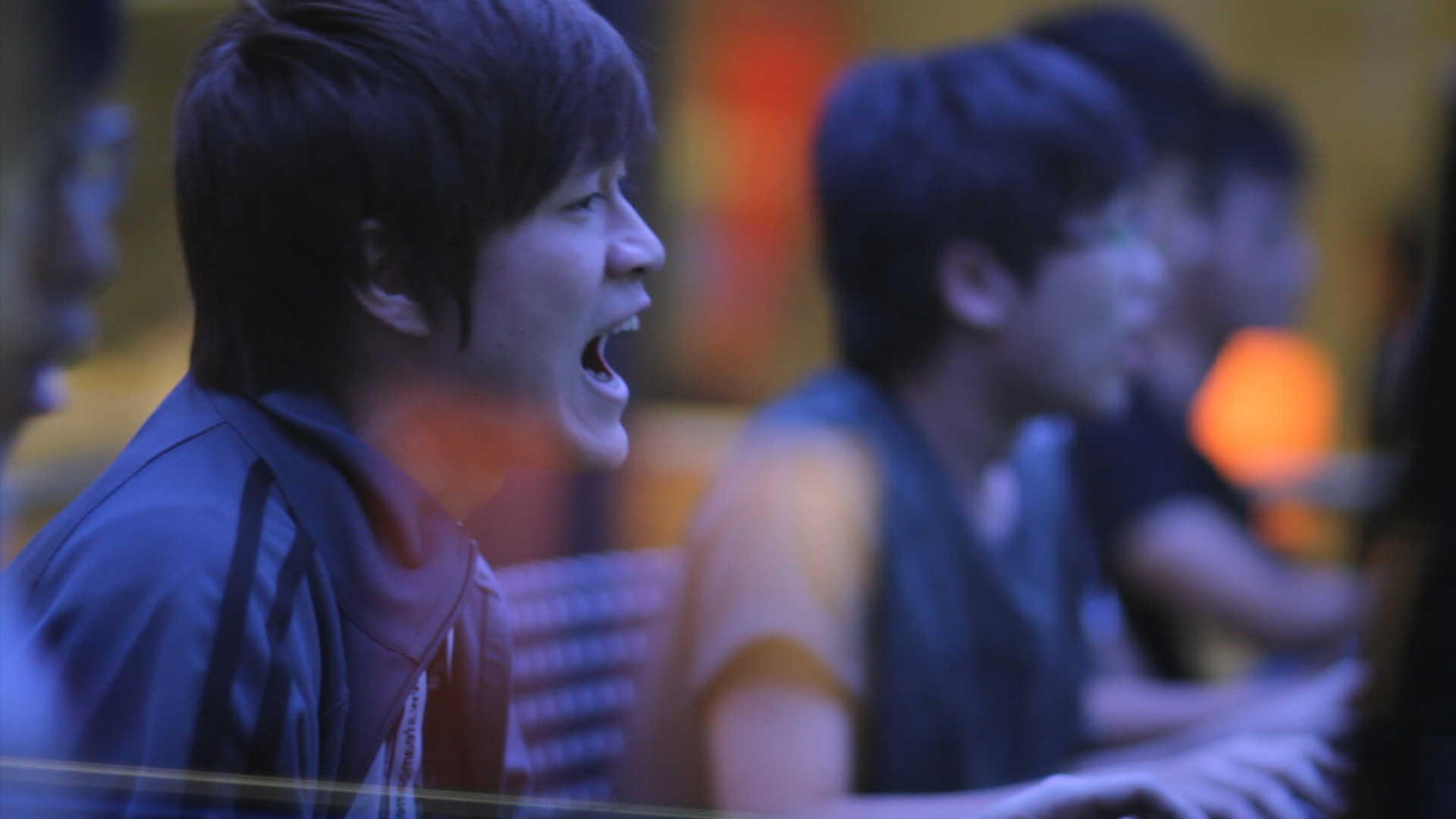
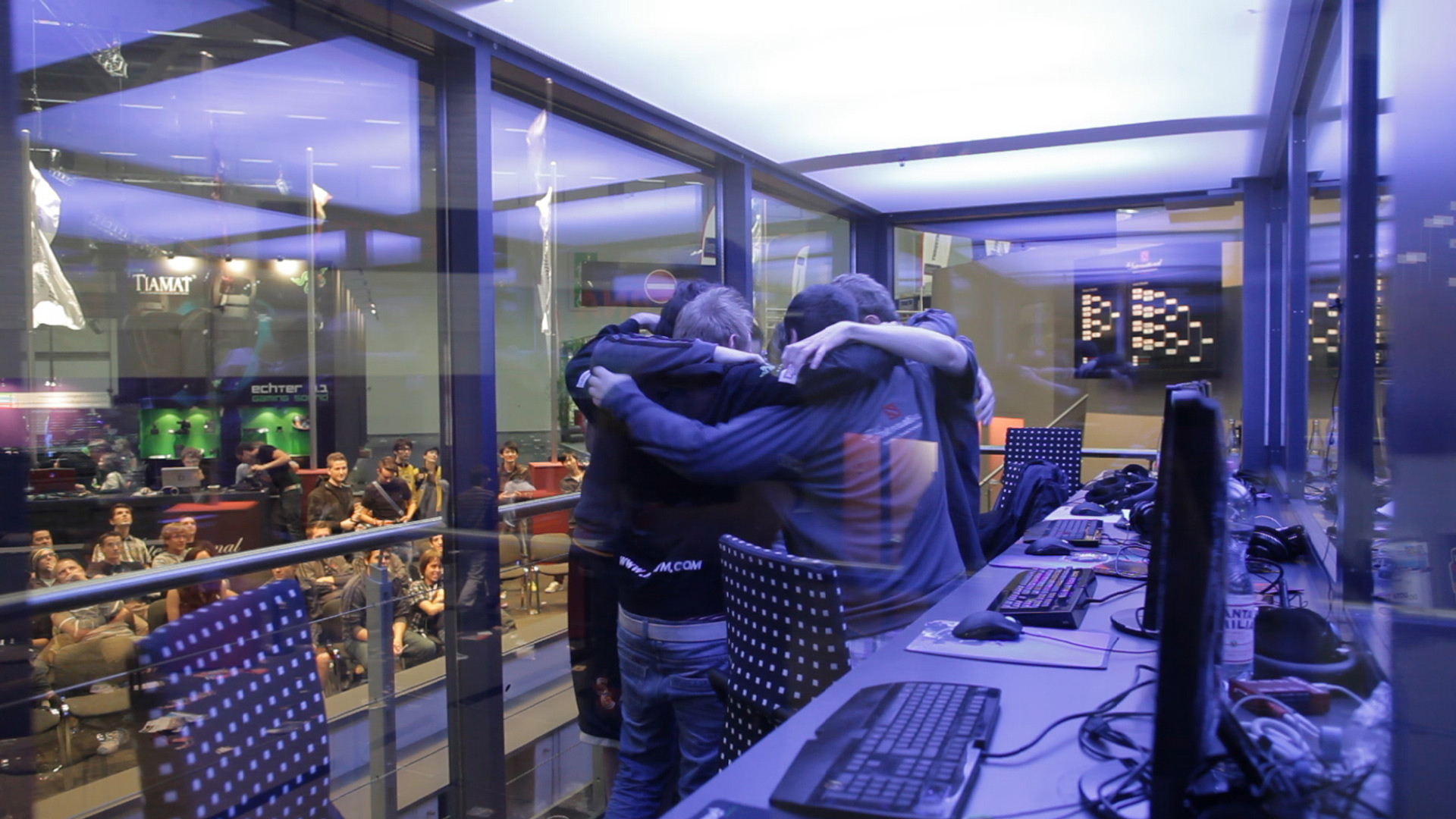
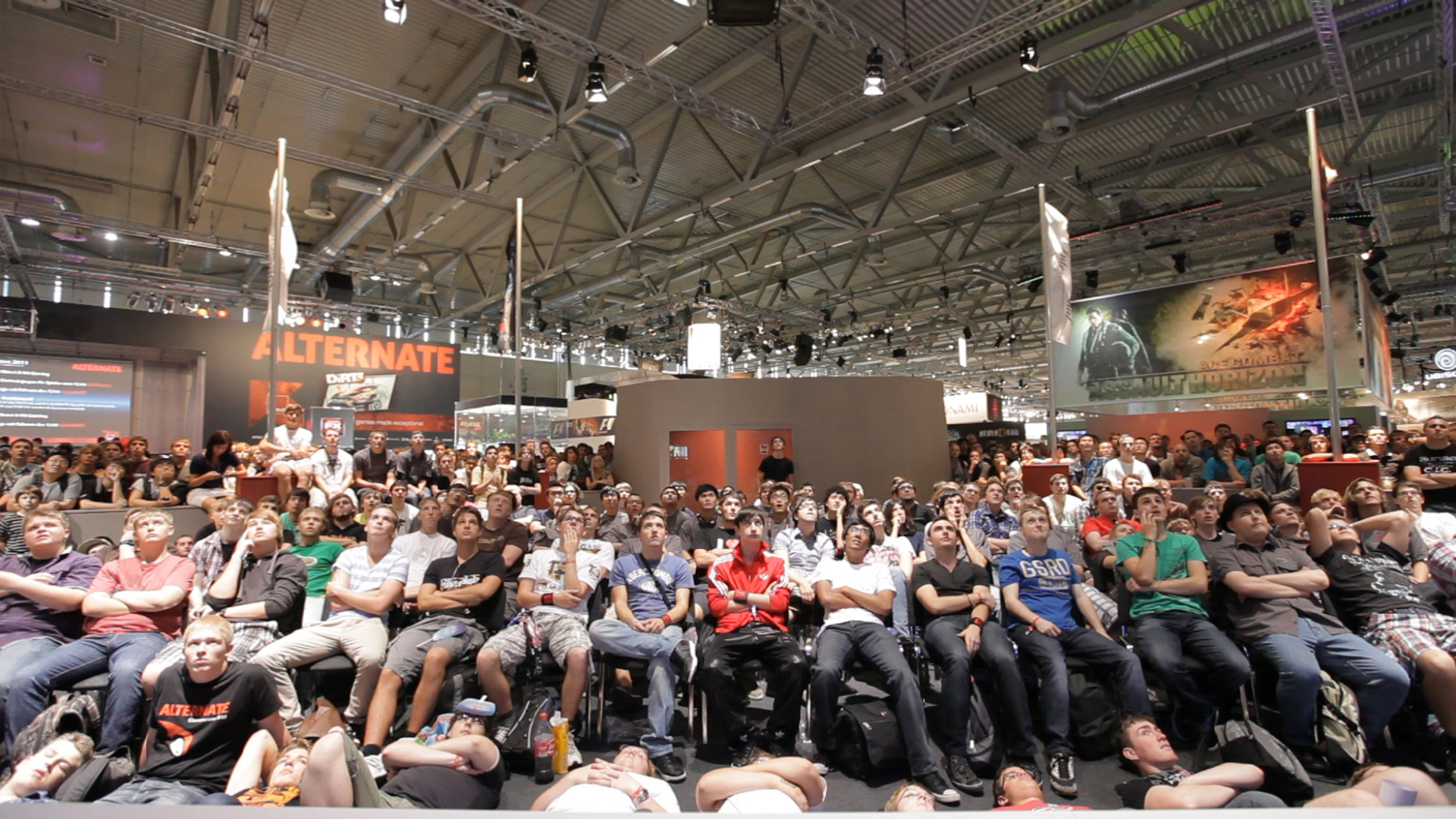
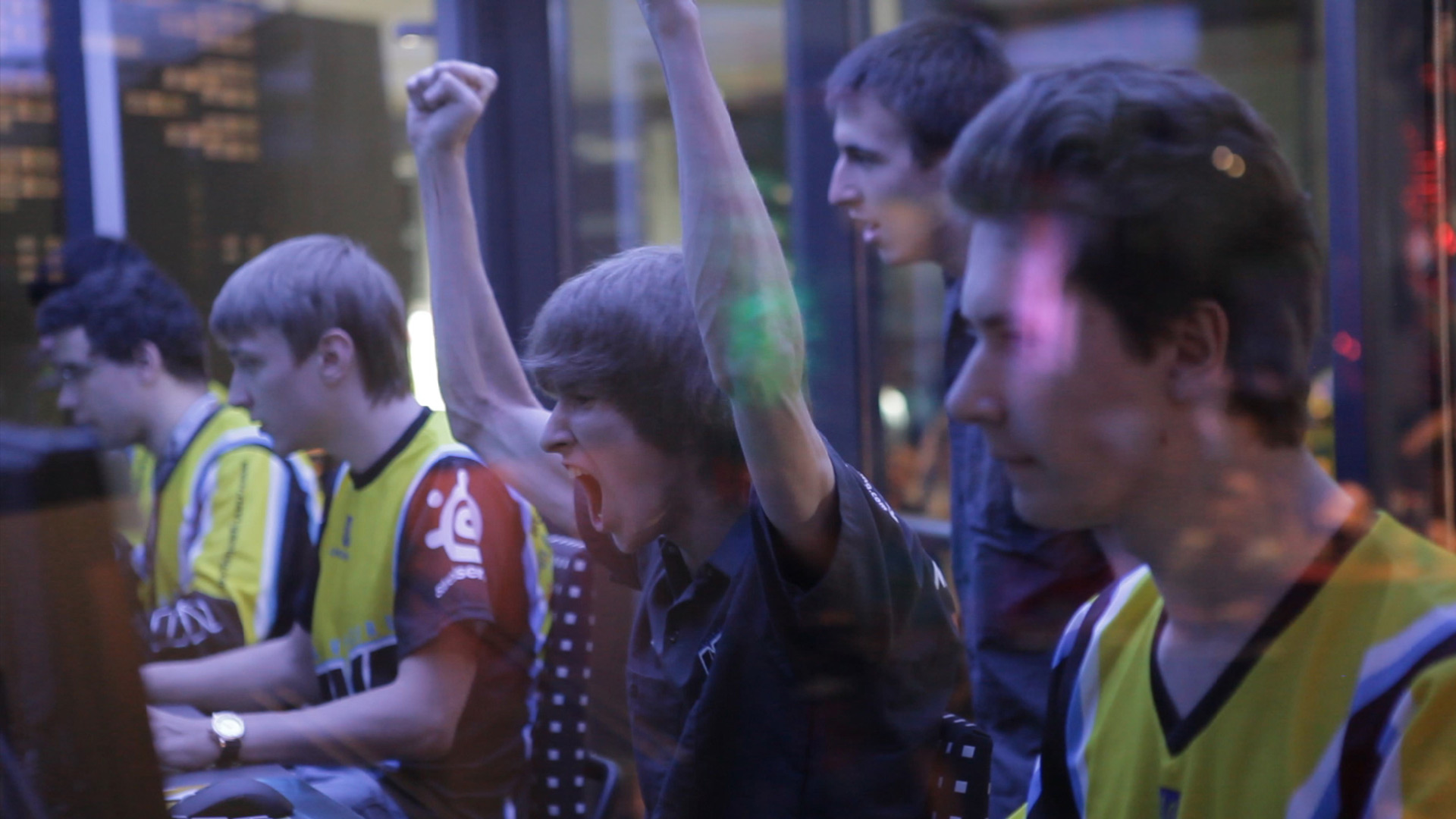
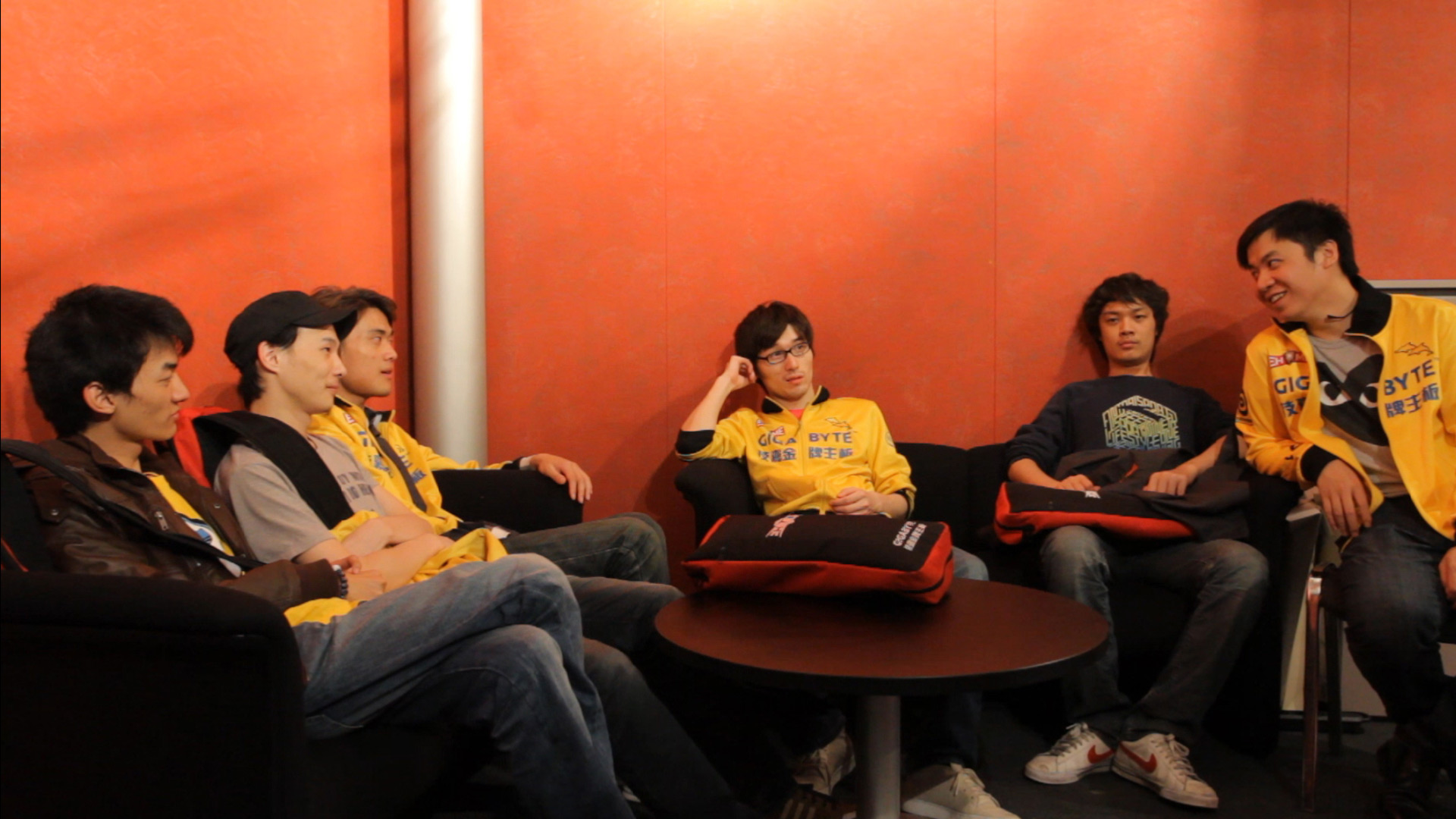
FREE TO PLAY is a feature-length documentary that follows three professional gamers from around the world as they compete for a million dollar prize in the first Dota 2 International Tournament. In recent years, E Sports has surged in popularity to become one of the most widely-practiced forms of competitive sport today. A million dollar tournament changed the landscape of the gaming world and for those elite players at the top of their craft, nothing would ever be the same again. Produced by Valve, the film documents the challenges and sacrifices required of players to compete at the highest level.


Born in L’viv, Ukraine, Dendi began playing video games at a young age after his older brother received a PC from their grandmother. As he had with his other early interests in life, music and dancing, Dendi picked up games very quickly and was soon excelling far beyond his age bracket. The prodigious dexterity earned through long hours of piano study was soon put to use in local gaming tournaments where he earned a reputation as a dominant and creative competitor. Though he was successful at other games, he knew he found his calling when he stumbled upon Dota.

If you’ve followed the development of Singaporean Dota, then Benedict “HyHy” Lim is a name that is familiar to you. Born in Singapore on 1990, HyHy’s rise to prominence began when he and teammates represented Singapore in the 2007 Asian Cyber Games. The following year, he was victorious in the Electronic Sports World Cup. Since then his body of work has become a pillar in the Dota 2 community. Never one to shy away from controversy, HyHy speaks his mind, and has made a name for himself as one of professional gaming’s most driven and versatile players.

Arguably among the most formidable Dota 2 players to ever come out of the Western Hemisphere, Clinton “Fear” Loomis, has never had an easy path in front of him. Ever the underdog, he’s used a balance of raw skill and hard-earned experience to overcome the isolation that US players often face when they compete at the highest level. Born 1988, his work ethic and dedication have taken him from Medford, Oregon to Europe, to China, and finally to the Dota 2 International, the tournament with the largest prize pool in the history of video games.
In crafting this essay, it's crucial to approach the topic with sensitivity, recognizing the real-world implications of discussions around identity and expression. By doing so, we can foster a more inclusive and empathetic understanding of the diverse experiences that constitute the human condition.
In this context, stockings could symbolize a crucial aspect of self-expression and identity. For many within the LGBTQ+ community, fashion choices, including something as specific as stockings, can be a powerful means of expressing one's gender identity or sexual orientation. Stockings, in their variety of colors, textures, and styles, offer an avenue for creativity and personal expression that can align with or challenge traditional gender norms. From a purely fashion or performance perspective, "ladyboy stocking" could highlight the intersection of fashion and identity performance. Stockings, as a garment, have a long history of being a staple in various fashion contexts, from everyday wear to high fashion and performance art. When associated with the term "ladyboy," it might emphasize the use of stockings as part of a performance or identity expression that blurs the lines between masculinity and femininity. Interpretation 3: Social and Political Discourse On a more critical note, discussing "ladyboy stocking" could also open a dialogue about societal acceptance, discrimination, and the politics of identity. The visibility of terms like "ladyboy" and their association with specific fashion items like stockings can serve as a litmus test for societal attitudes towards gender fluidity and sexual diversity. The reaction to or discussion about "ladyboy stocking" could reflect broader societal debates on identity, rights, and the recognition of diverse expressions of human identity. Conclusion The concept of "ladyboy stocking," through its ambiguity, invites a multifaceted exploration. It could serve as a focal point for discussions on identity, self-expression, and the cultural politics of gender and sexuality. Whether seen through the lens of cultural identity, fashion performance, or social discourse, the topic underscores the complexity and richness of human expression. Ultimately, an engagement with "ladyboy stocking" as a subject matter encourages a deeper reflection on the ways we perceive, discuss, and understand the vast spectrum of human identities and expressions. ladyboy stocking
The term "ladyboy" is commonly used in Southeast Asia, particularly in Thailand, to refer to a male who identifies as female or exhibits feminine characteristics, often in a performative context. If we consider "ladyboy stocking" in this light, it could pertain to stockings as a fashion or performance item within the ladyboy or transgender community. In crafting this essay, it's crucial to approach