Historically, transgender people—particularly women of color like Marsha P. Johnson and Sylvia Rivera—were instrumental in shifting the LGBTQ+ movement from quiet assimilation to radical visibility. Events like the Stonewall Inn uprising in 1969 were not just fights for "gay rights," but explosions of defiance against a system that criminalized gender non-conformity. This history establishes the transgender community as a foundational pillar of LGBTQ+ culture, reminding the movement that liberation must include those who live at the intersections of gender and sexual diversity. Cultural Contributions
Despite these contributions, the transgender community often faces distinct challenges within and outside the LGBTQ+ collective. Issues like gender dysphoria, the complexities of medical transition, and disproportionately high rates of violence and discrimination create a unique set of hurdles. Within the broader queer community, trans people have sometimes had to fight for inclusion in agendas that prioritized marriage equality or cisgender-centric goals. This has led to the development of a specific "trans culture"—one rooted in mutual aid, chosen family, and a radical joy that persists despite systemic marginalization. The Modern Frontier mature shemale creampie
Today, the visibility of the transgender community is at an all-time high, but this visibility has been met with increased legislative and social pushback. In this climate, LGBTQ+ culture is being redefined by a renewed focus on intersectionality. There is a growing realization that the movement's future depends on protecting its most vulnerable members. The "T" in LGBTQ+ is no longer an appendage; it is the frontline of the modern civil rights struggle. Conclusion This history establishes the transgender community as a
The transgender community is the soul of LGBTQ+ culture. By challenging the most fundamental societal "norm"—the gender binary—trans individuals offer a blueprint for authentic living. Their journey from the fringes of history to the center of the modern movement proves that LGBTQ+ culture is at its strongest when it embraces the full, fluid spectrum of human identity. Within the broader queer community, trans people have







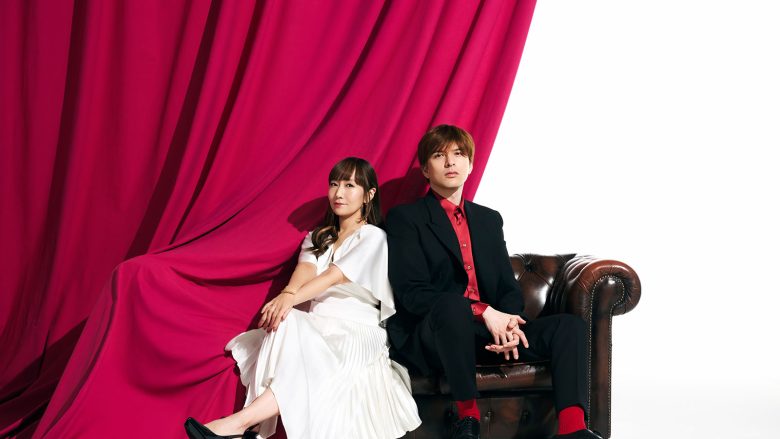
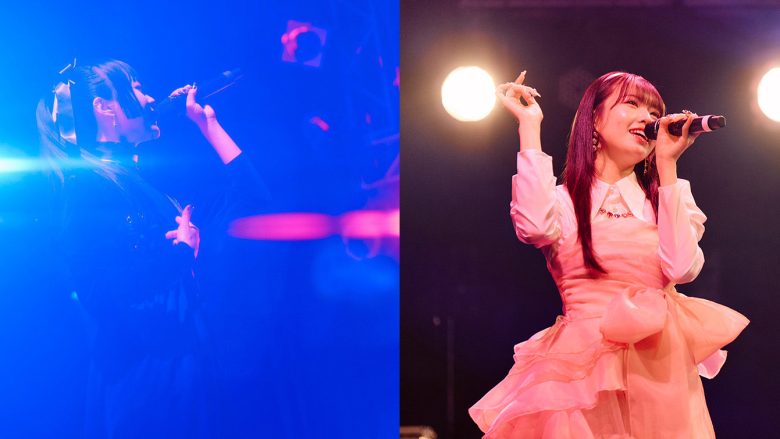
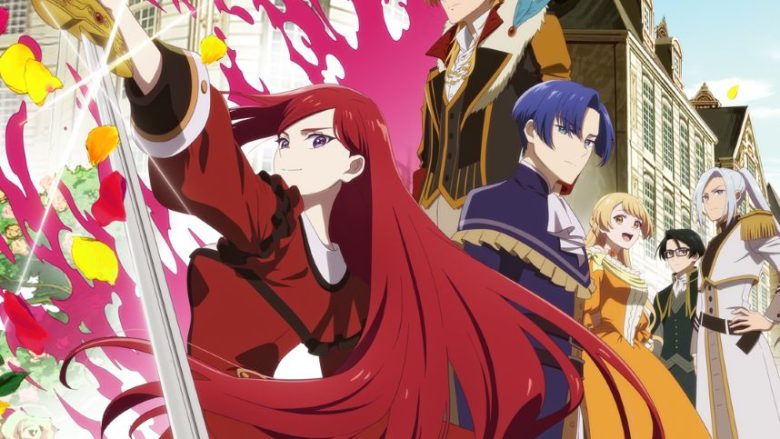



![DIALOGUE+主催音楽フェス“DIALOGUE+Festa!! DAY stage -Collaboration with リスアニ!-”開催記念 短期連載![第2回目 田淵智也(DIALOGUE+総合プロデューサー)×馬嶋 亮(リスアニ!編集長)対談]](https://www.lisani.jp/admin/wp-content/uploads/2026/03/2603041800-ak-001-1-780x439.jpg)

![DIALOGUE+主催音楽フェス“DIALOGUE+Festa!! DAY stage -Collaboration with リスアニ!-”開催記念 短期連載![第1回目 ご挨拶]](https://www.lisani.jp/admin/wp-content/uploads/2026/02/2602221200-ak-001-780x439.jpg)